One-time treatment or a recurring program: how to choose
Choose a one-time treatment when the problem has a clear beginning and end: a wasp nest over the back door, fleas after a new pet, a bed bug introduction after travel, or a first cockroach treatment in a single kitchen. The quote covers the visits that problem needs, including the paid follow-up that bed bug work requires.
Choose a recurring program when the pressure never fully stops. In Los Angeles that describes most ant, spider and occasional-cockroach activity, because the climate has no real winter pause. It also describes rodents near washes, hillsides and mature tree canopy, and any restaurant or multi-unit building that answers to inspectors. General pest control runs bi-monthly or quarterly. Rodent control is a subscription that combines trapping, monitoring and prevention.
What each service family covers
The method depends on the species, so every service starts with identification. The families we offer:
- General pest control: ants, spiders, silverfish, earwigs, centipedes and other common household pests, on a bi-monthly or quarterly schedule using Integrated Pest Management.
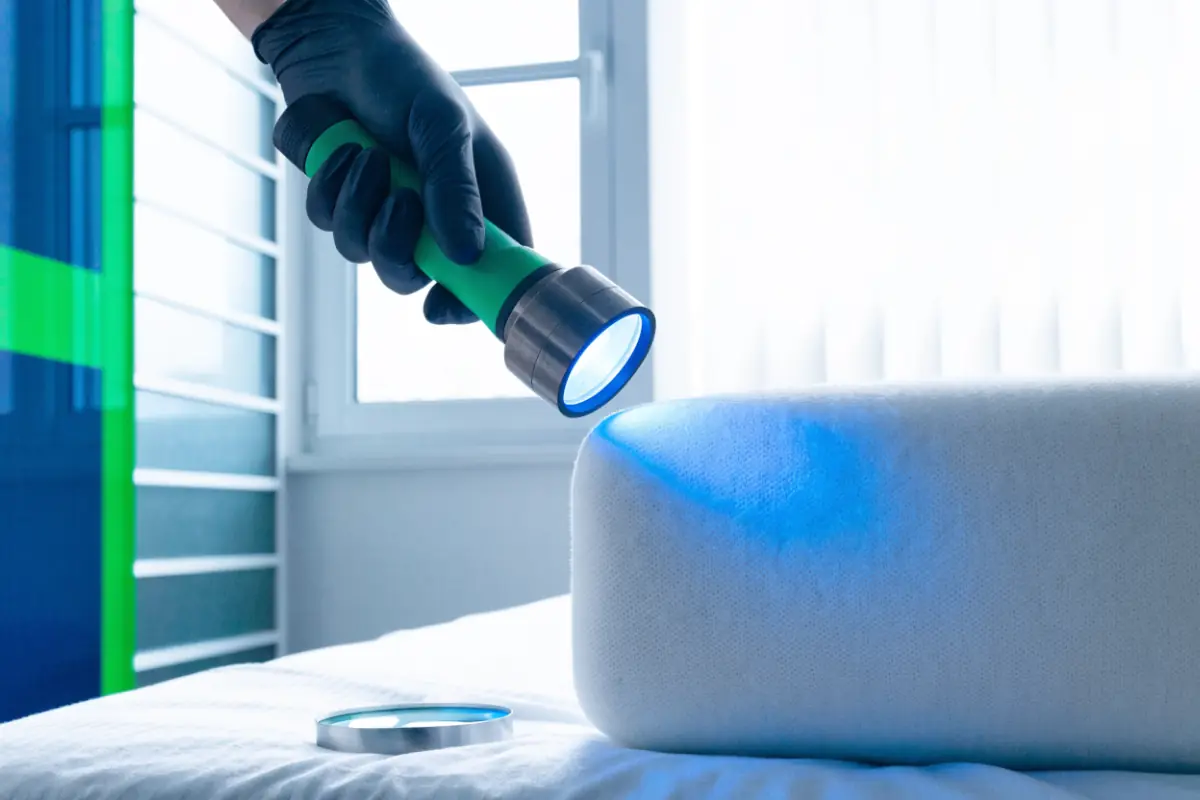
- Bed bug treatment: chemical and fungal applications aimed at eggs, nymphs and adults, a preparation checklist before the visit, and paid follow-up visits to finish the job.
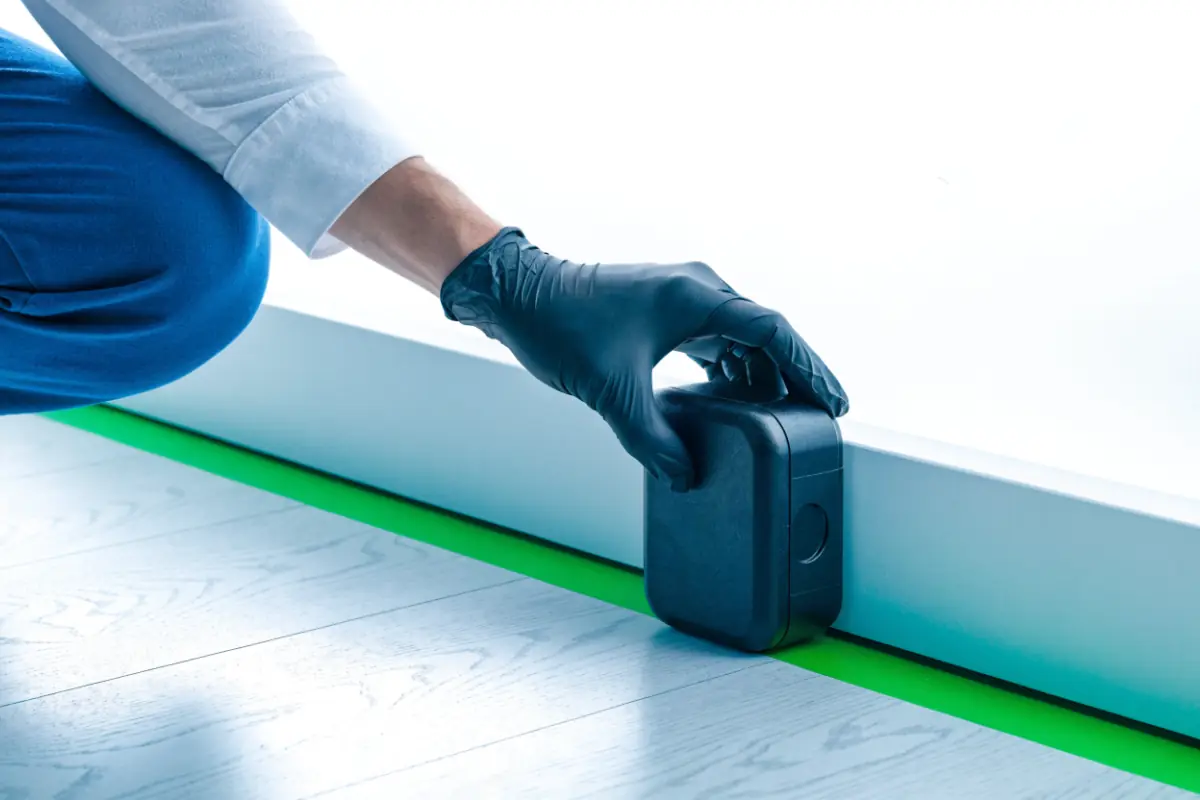
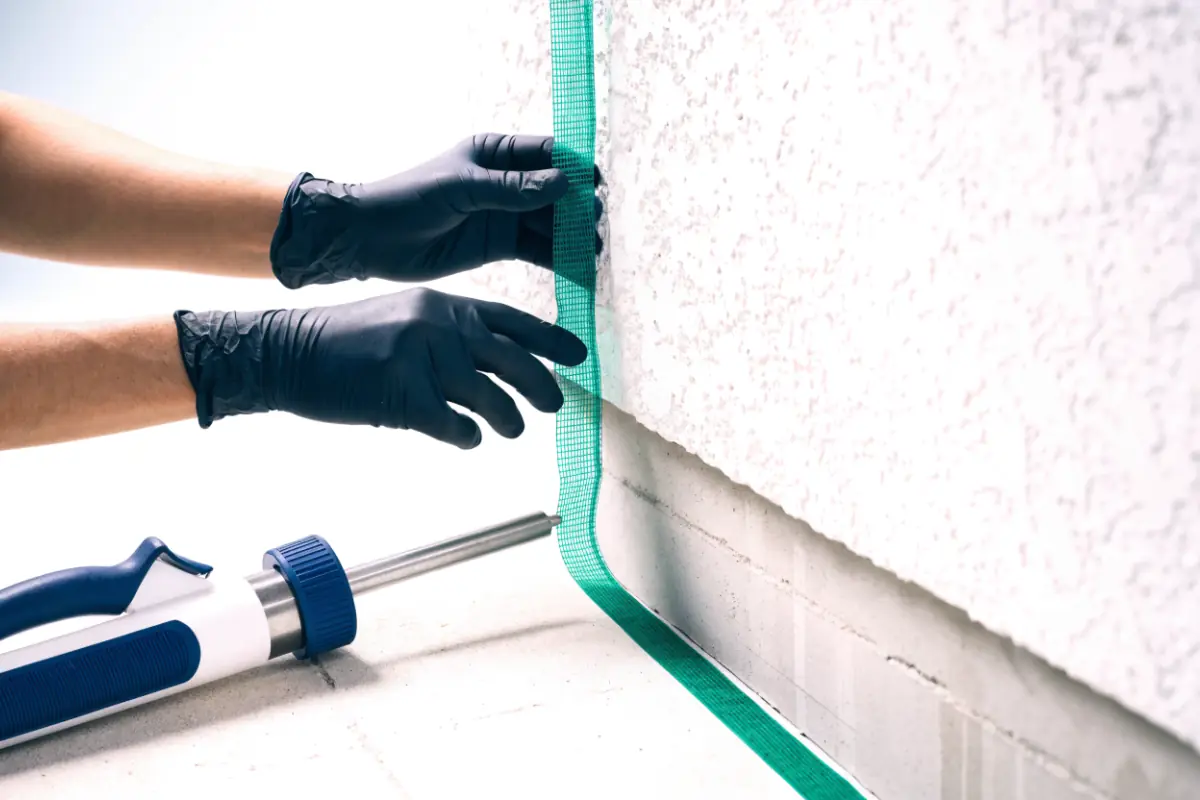
- Rodent control and exclusion: trapping, monitoring and prevention as an ongoing program, plus structural sealing of gaps, vents, utility penetrations and foundation cracks.
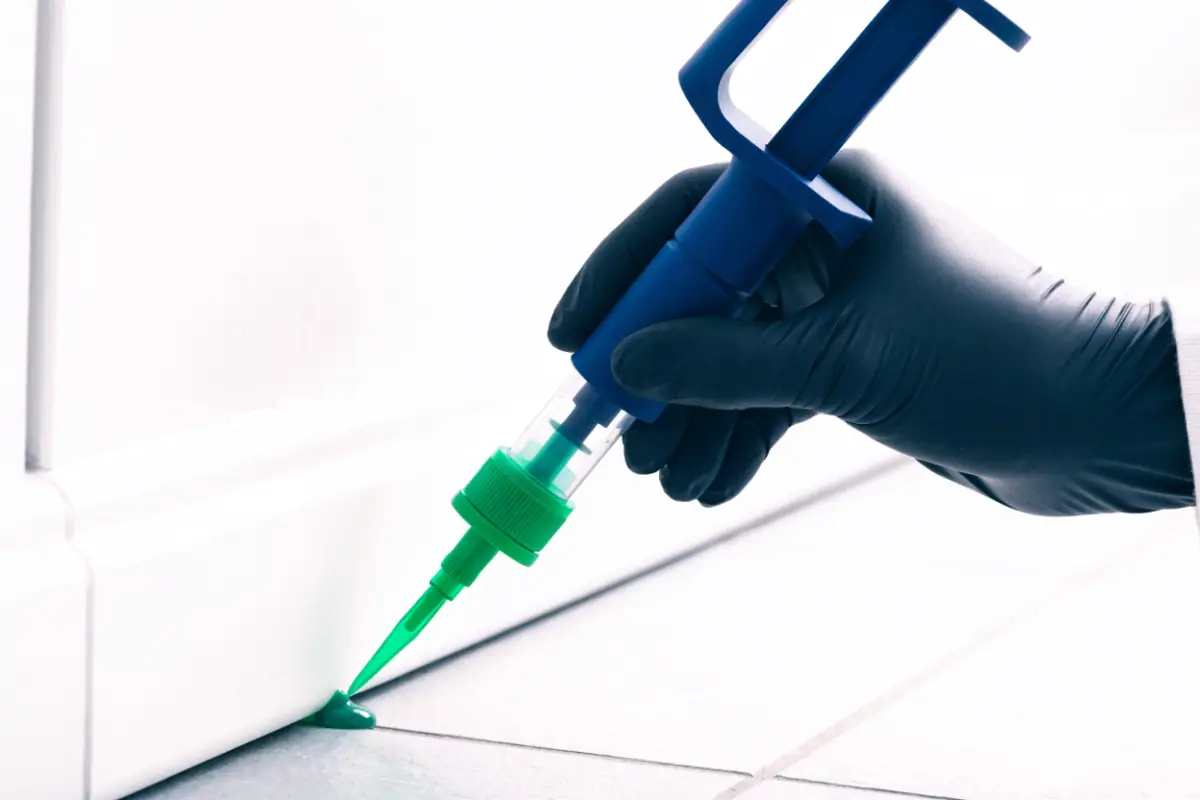
- Cockroach control: gel baits, insect growth regulators and monitoring for German, American and Oriental cockroaches; preparation is required before treatment.
- Ant control: colony-level treatment for Argentine, carpenter, fire and odorous house ants, matched to the species found.
- Spider control: removal of black widows and brown widows, web clearing, perimeter barriers and control of the insects spiders feed on.
- Wasp and bee control: safe removal of wasp, hornet and yellowjacket nests, preventive treatment against rebuilding, and live bee relocation when feasible.
- Flea and tick control: indoor and yard treatment covering every life stage, with pet-safe formulations.
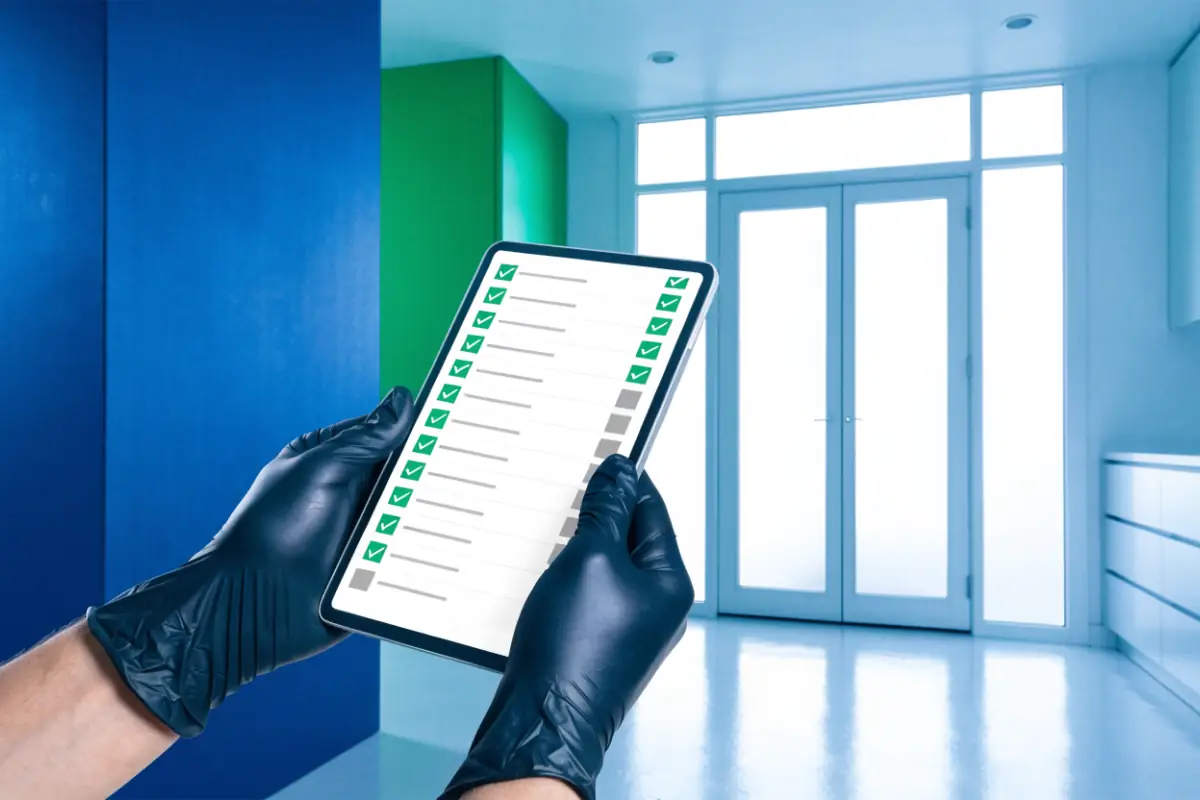
- Commercial and restaurant programs: food-safe methods near food surfaces, pre-opening or after-close windows, digital service logs built around LA County Department of Public Health inspections.
How inspections and written quotes work
The inspection comes before any recommendation, and the quote that follows it is free. The technician walks the interior and exterior, looks for live activity, droppings, harborage and entry points, and identifies the species. Then you get a written quote, not a verbal estimate: the method, the materials, how many visits are included, the timeline and one fixed price.
Price depends on the size of the property, the pest and how far the infestation has progressed, which is why bed bug and cockroach jobs are quoted after inspection. Multi-unit buildings are quoted per door, with rates that fall as the building grows. Restaurant programs are priced on square footage and risk profile, usually as monthly service. Quotes are free, same-day and carry no obligation.
What to expect after the treatment
Baits take time by design. Ants and cockroaches carry gel bait back to the colony, so you may still see activity for several days while it works; spraying those insects would undo the treatment. Bed bug eggs laid before the visit keep hatching for days afterward, which is why a follow-up visit is scheduled rather than hoped for. Rodent programs continue with trap checks and monitoring until activity stops.
Your service report lists what was found, what was applied and where. The technician tells you which rooms to keep children and pets out of, for how long, and what to leave undisturbed. Conditions you need to correct, such as a leaking tap, a gap under a garage door or open pet food, are written down too, because treatment lasts longer once they are gone.
How the 30-day guarantee applies
Every service carries a 30-day guarantee. If the problem persists within those 30 days, we come back. For cockroaches, bed bugs and rodents, a third visit is included at no extra cost if the problem reappears within the window. For every other pest, a return visit inside the 30 days costs 30% of the original price. The written quote states how the guarantee applies to your treatment.
Seasonal timing in Los Angeles: when each service matters most
Los Angeles has no real winter pause, but the calendar still shapes pest pressure. Argentine ants push indoors with the first hot weeks of spring and again whenever irrigation and drought coincide in summer. Wasps and yellowjackets build from May and turn aggressive around food in late summer. Fleas peak in warm months with pets and wildlife moving through yards.
Rodents follow the first cool nights and autumn rains, when roof rats and Norway rats look for warm, dry structures; an exterior inspection in early autumn finds the entry points before they do. Cockroaches and bed bugs ignore the seasons: they move with deliveries, luggage and neighboring units, which is why those programs are built around inspection and follow-up rather than the time of year.
Materials and methods: what we apply and why
Every treatment follows Integrated Pest Management: identify the species, remove what feeds and shelters it, then apply the least amount of product that solves the problem. Products are EPA-registered and applied according to the label and California Department of Pesticide Regulation rules. Where children and pets live, the technician chooses formulations and placements accordingly.
Placement matters more than volume. Gel baits and insect growth regulators go into the cracks, voids and harborage where cockroaches and ants actually travel, perimeter treatments stay on the exterior where spiders and ants come from, and rodent programs lead with trapping, monitoring and exclusion, with snap traps as the indoor default and any bait kept in locked, tamper-resistant stations away from children, pets and food areas. Bee removals favor live relocation when the colony can be saved.
Commercial and multi-unit accounts: logs, access and notices
Businesses and property managers get the same technicians with an added paperwork layer. Every visit is recorded in a digital service log that owners, boards and health inspectors can read at any time: what was found, what was applied and where the monitoring stations sit. Same-day compliance documentation is available when an inspector or a tenant complaint needs a record, and PesPro carries $2 million in liability coverage for your vendor file.
In multi-unit buildings, treatment covers units and common areas together. We supply tenant-notification templates that fit the landlord's duties under California Civil Code 1941.1, and we schedule access in blocks so a building takes as few visits as possible. Owners with several sites receive one consolidated invoice, and the service log for every building is available to the board at any time.
Same-day, emergency and follow-up visits
Same-day service is available for an extra fee whenever a route allows, and the 24/7 emergency line reaches a dispatcher at any hour for situations that cannot wait: rats inside living space, a wasp nest over a doorway, a restaurant facing an inspection. Routine appointments are booked by arrival window because technicians run regional routes out of El Monte.
Follow-up is planned at the first visit. Bed bug and cockroach treatments are scheduled as a sequence rather than a single spray, because eggs laid before the visit hatch afterward; the technician sets the return date before leaving. Those scheduled follow-ups are part of the quoted plan, not guarantee visits. The 30-day guarantee is separate: if cockroaches, bed bugs or rodents reappear inside the window, the third visit is included at no extra cost; for all other pests a return visit within 30 days costs 30% of the original price.
Common questions
Which pests does general pest control cover, and how often do you come?
Ants, spiders, silverfish, earwigs, centipedes and the other common household pests of Southern California. The program runs bi-monthly or quarterly, chosen during the inspection based on the pressure around your property. Bed bugs and rodents have their own programs.
How many visits does bed bug treatment take?
An initial chemical and fungal treatment followed by paid follow-up visits, scheduled so newly hatched bed bugs meet treated surfaces. We send a preparation checklist before the first visit. If the problem reappears within 30 days of service, a third visit is included at no extra cost.
What is the difference between rodent control and rodent exclusion?
Rodent control is the ongoing program: trapping, monitoring and prevention that manages activity inside and around the building. Rodent exclusion is structural: sealing the gaps, vents, utility penetrations and foundation cracks rodents use to get in. Exclusion is sold as an add-on or on its own.
Do you treat termites?
No. PesPro does not offer termite inspections or treatment. We focus on general pests, bed bugs, rodents, cockroaches and commercial programs, and for termite questions we recommend a termite-specialty company.
Are the products safe for children and pets?
Every material is registered with the EPA and California's Department of Pesticide Regulation, and the default protocols are child-safe and pet-safe once dry. The technician tells you which rooms to keep clear and for how long. Lower-impact GreenPro options are available on request.
Can a restaurant get service without closing?
Yes. Restaurant programs are scheduled pre-opening or after close, and they use only food-safe methods near food surfaces: gel baits, insect growth regulators, mechanical trapping and exclusion, never broadcast spraying. Service logs follow what LA County Department of Public Health inspectors check, and emergency remediation is available after a failed inspection.
Do you offer green or low-impact treatments?
Yes. PesPro holds GreenPro, the National Pest Management Association's service certification for reduced-risk Integrated Pest Management, open only to QualityPro-accredited companies. Ask for the GreenPro program when you book, and tell the dispatcher if someone in the home has asthma or chemical sensitivities so the technician plans materials and placements around it.
Can you treat a single apartment, or does the whole building need service?
We treat single units, but for cockroaches and bed bugs in a multi-unit building the adjoining units should be inspected too, because both move through shared walls and utility lines. The technician treats the unit, reports what was found and tells the manager when neighboring units need attention.