Why German cockroaches dominate Los Angeles apartments and kitchens
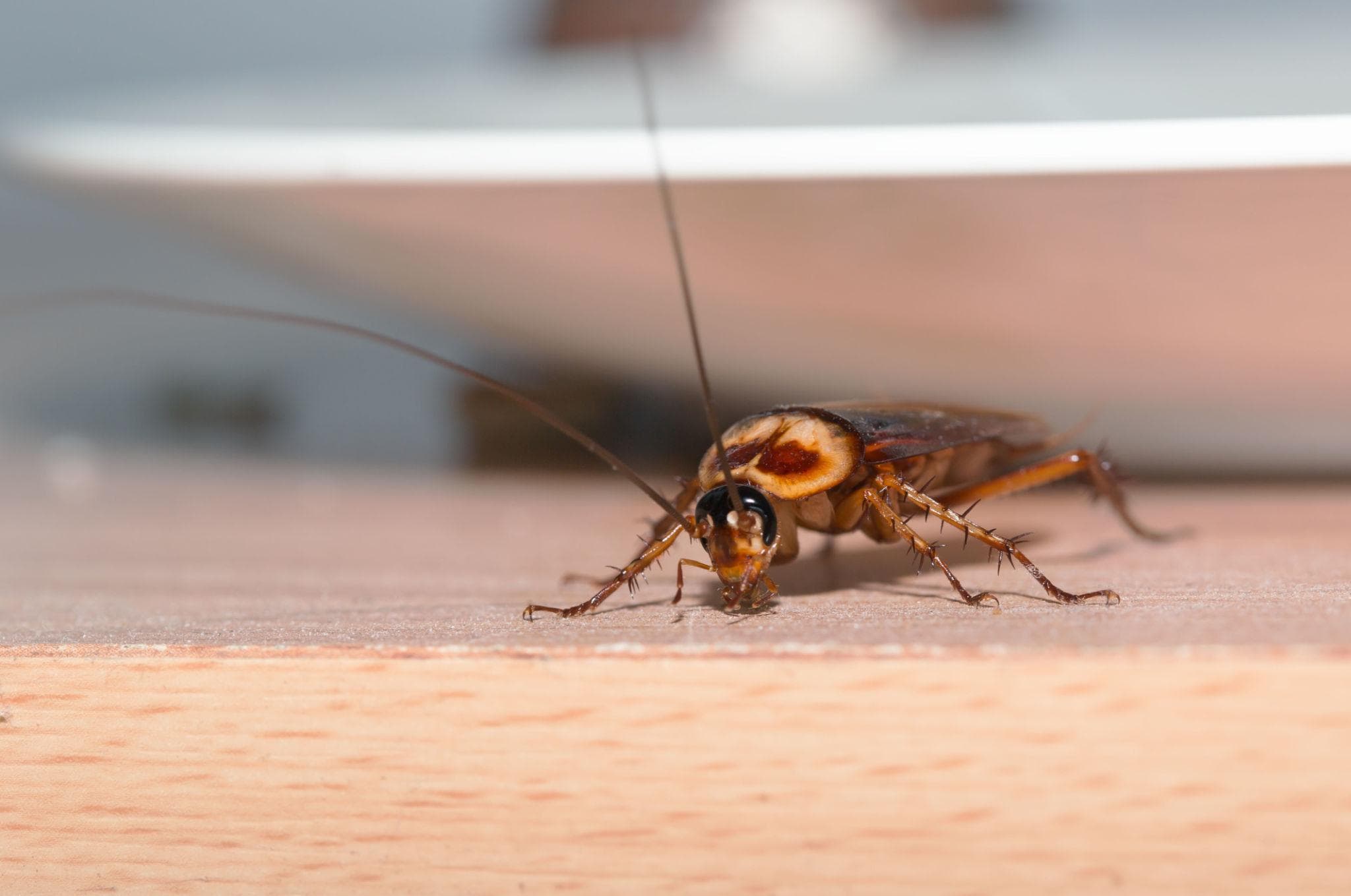
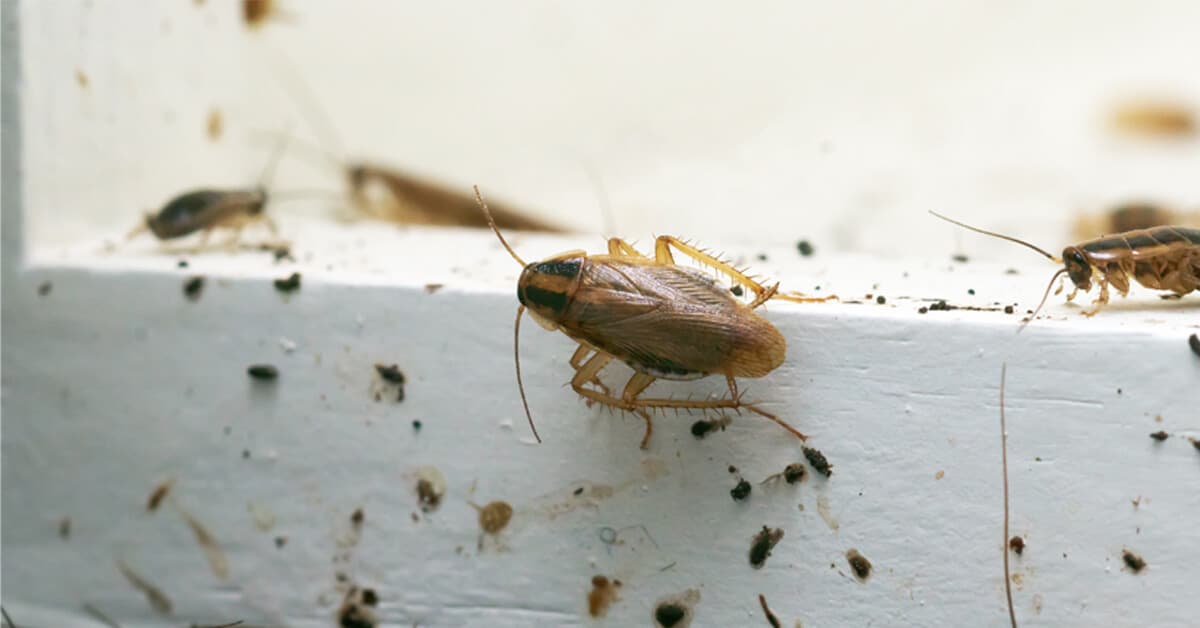
UC IPM, the University of California's pest management program, describes the German cockroach as the most common indoor cockroach in California and the most persistent and troublesome of the state's species, and it singles out multi-unit housing as the setting where German cockroaches are most common.
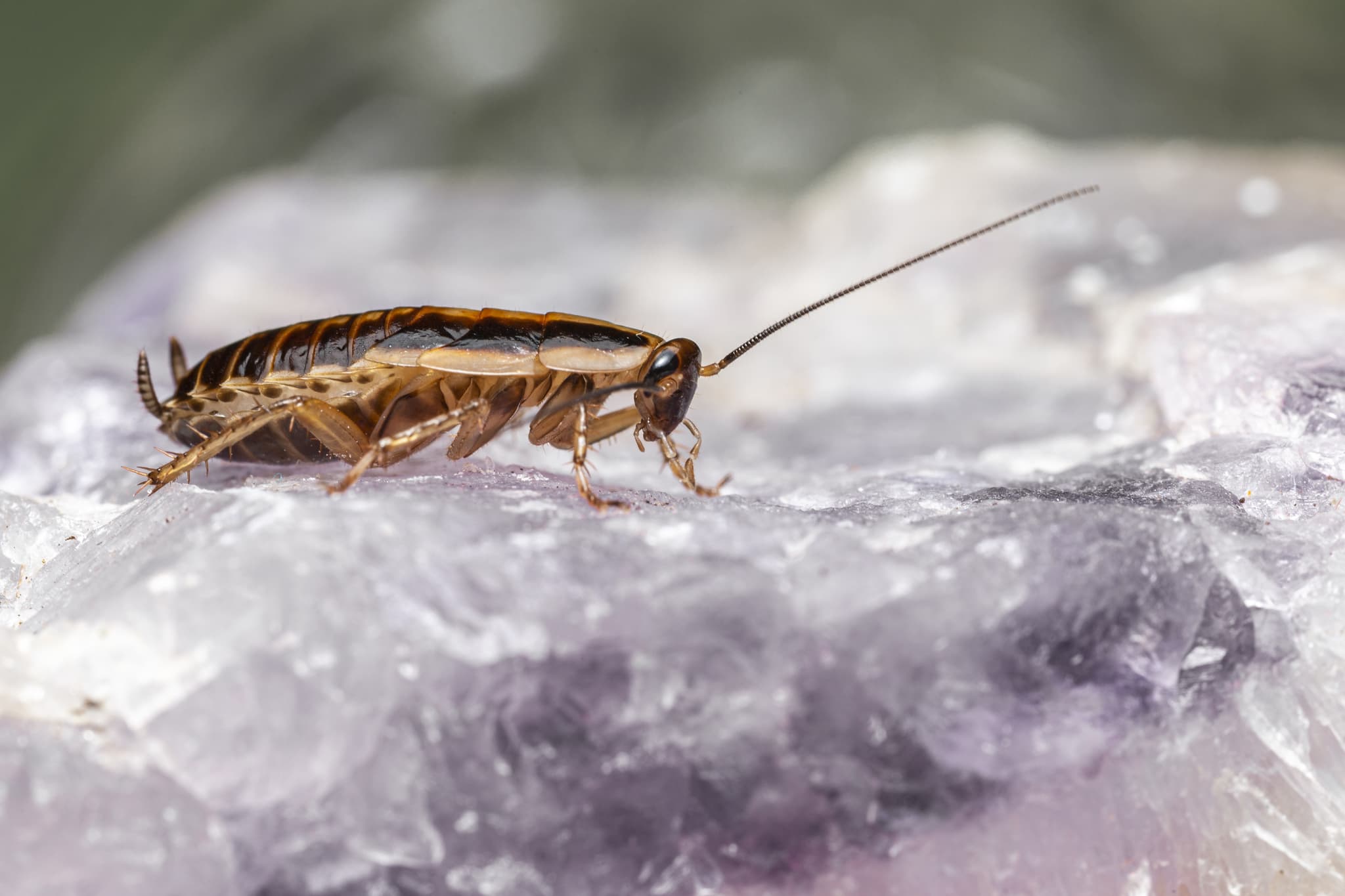
Unlike the larger roaches that wander in from outside, the German cockroach lives and breeds almost entirely indoors, close to food, water and warmth (around 70 to 75°F). An adult fits into a crack 1/16 inch wide and nymphs shelter in even narrower gaps: the seam behind a backsplash, a cabinet hinge, the motor housing under a refrigerator.
The German cockroach has the fastest reproductive cycle of the common pest species. The female carries her egg case, which holds about 30 young, for most of its roughly 30-day incubation and drops it only a day or two before the eggs hatch, then produces another every few weeks.
UC IPM estimates that a single female and her offspring can produce more than 30,000 cockroaches in a year. That is the university's figure; the 300,000 number often repeated online is an exaggeration. Because the eggs ride on the female's body in hidden cracks, a treatment that only kills the roaches you can see leaves the next generation intact.
In apartment buildings, kitchens and bathrooms are often stacked or set back to back, joined by pipe chases and shared wall voids. UC IPM notes that severe infestations spread to other parts of a building, and a national survey published in Environmental Health Perspectives found cockroach allergen at high levels more often in high-rise apartments, multifamily buildings, urban homes and homes built before 1940. That is the housing PesPro works in every week: the company manages programs at more than 500 multi-unit properties, where one untreated unit can reinfest the units around it. [1] [4]