What the blog covers
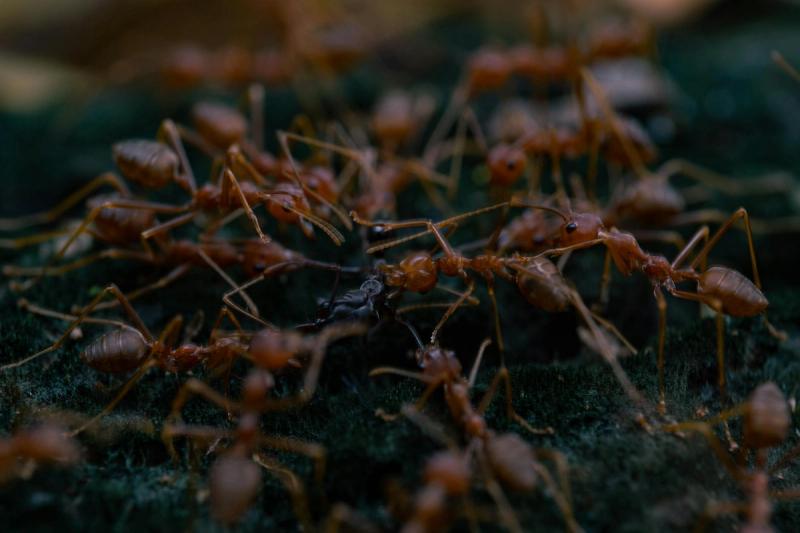
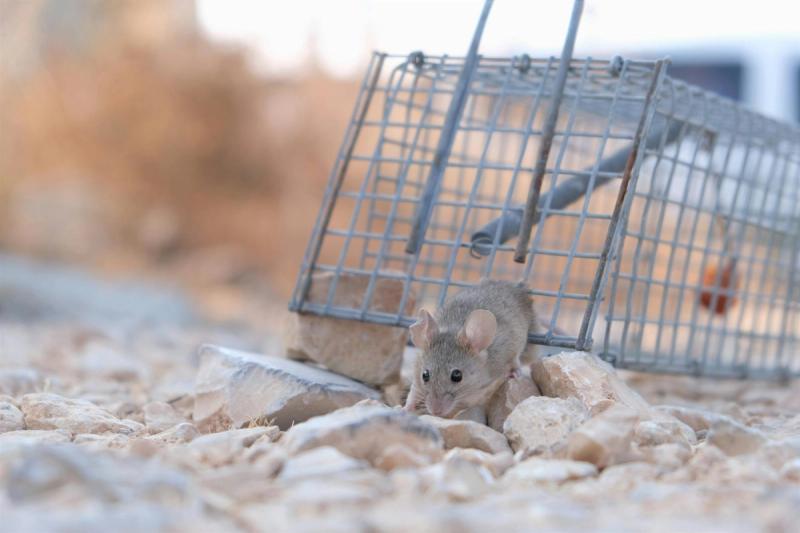
The PesPro blog is written for people dealing with pests in Los Angeles County and San Bernardino County, not for a national audience. The core topics are the ones our technicians see most: bed bugs in apartments and vacation rentals, rats and mice in post-war houses and hillside homes, German cockroaches in kitchens, and the seasonal pests that follow the Los Angeles calendar, with Argentine ants in spring, wasps and fleas in summer, and rodents after the first autumn rains.
A second track is written for property managers, HOA boards and restaurant operators: what California Civil Code 1941.1 requires of a landlord, how LA County Department of Public Health letter-grade inspections treat pest evidence, how to document treatment in a multi-unit building, and what a tenant notification should say.
How to use the guides
Each guide starts with identification, because most wasted money in pest control comes from treating the wrong species. Use the photos and signs described to confirm what you have, then read the section on what you can do yourself and what requires a professional. Prevention sections list the specific conditions that feed the pest, so you can fix a leak or seal a gap before you spend on treatment.
When to stop reading and call
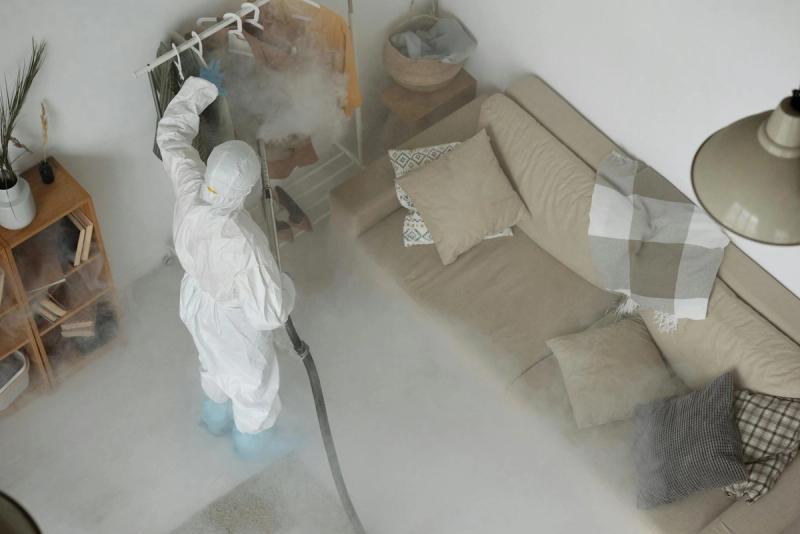
Some situations should not wait for a weekend of research. Call when you see rats or droppings inside living space, when you find bed bugs or wake with bites in a line, when cockroaches are visible in daylight, when a wasp nest sits by an entrance, or when a tenant has reported pests and the habitability clock is running. Same-day service is available for an extra fee, and the emergency line is answered around the clock.
Editorial standards
Articles are written from first-hand technician experience in the field, then checked against published sources: University of California Statewide IPM Program pest notes for biology and control methods, LA County Department of Public Health guidance for inspection and vector-control topics, and California Structural Pest Control Board rules for what licensed companies may and may not do. Where a claim depends on a study or a regulation, the guide names it.
Guides are updated when methods, regulations or local conditions change, and dated so you can tell. We do not publish content to sell a treatment you do not need; if the honest answer is that you can handle it yourself, the guide says so.
How the guides are sourced and kept current
Each guide starts from what PesPro technicians see on routes across Los Angeles County and San Bernardino County, then checks that experience against public sources: University of California IPM pest notes, LA County Department of Public Health reports and inspection data, and vector control district advisories for the San Gabriel Valley and greater Los Angeles.
Guides are revised when the facts change: a new county typhus report, an updated bed bug rule for rental housing, a shift in which cockroach species dominates local kitchens. The date on each article reflects its last review, and anything that reads as legal advice is general information to discuss with a qualified professional.
A Los Angeles pest calendar, month by month
January to March: rodents are still indoors after the winter rains, and the first warm week starts Argentine ant trails along irrigation lines and into kitchens. April to June: ants peak, paper wasps start nests under eaves and patio covers, and mosquito season opens; the first West Nile-positive mosquito samples of the year follow anywhere from May to late July.
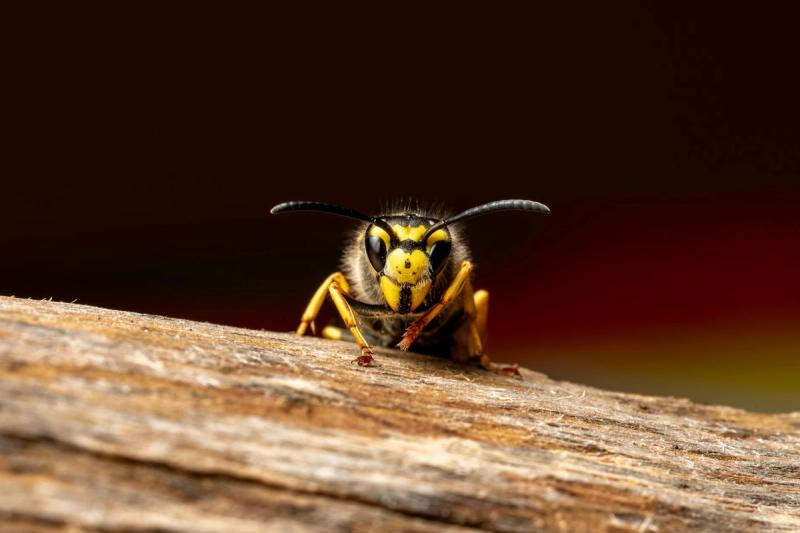
July to September: cockroach activity is highest in the heat, yellowjackets switch from hunting insects to scavenging around food and trash, fleas build up on pets and under decks, and black widows are most visible around garages, meters and patio furniture. October to December: the first cool nights send roof rats into attics and Norway rats into garages and crawl spaces, while the county's flea-borne typhus cases peak in late summer and fall. Bed bugs ignore the calendar; they track travel, guests and secondhand furniture.
Identification first: the mix-ups we see most
Roof rat or Norway rat: roof rats are slender, with a tail longer than the body, and nest in attics, trees and vines; Norway rats are heavier, burrow at ground level and follow washes and sewer lines. Mouse droppings are the size of a grain of rice, rat droppings the size of an olive pit. The answer decides where the traps go and which entry points matter.
German or American cockroach: the small tan roach with two dark stripes behind the head breeds in kitchens and bathrooms and needs bait, not spray; the large reddish-brown one in the bathtub usually came up a drain and points to a plumbing or exterior fix. Winged ants or termite swarmers: ants have pinched waists and elbowed antennae, termites have straight antennae and four equal wings. Bed bugs are mistaken for carpet beetles and bat bugs; a photo rules out the beetles, but bat bugs need a specimen under magnification.
Rental housing: who is responsible for pest control in California
California Civil Code 1941.1 makes a rental unit untenantable if it is not kept free of rodents and vermin, and the landlord has to deliver and maintain the unit in that condition. Tenants have duties too: keep the unit clean, dispose of trash properly and report problems promptly, because an infestation that started with a tenant's housekeeping can shift the cost.
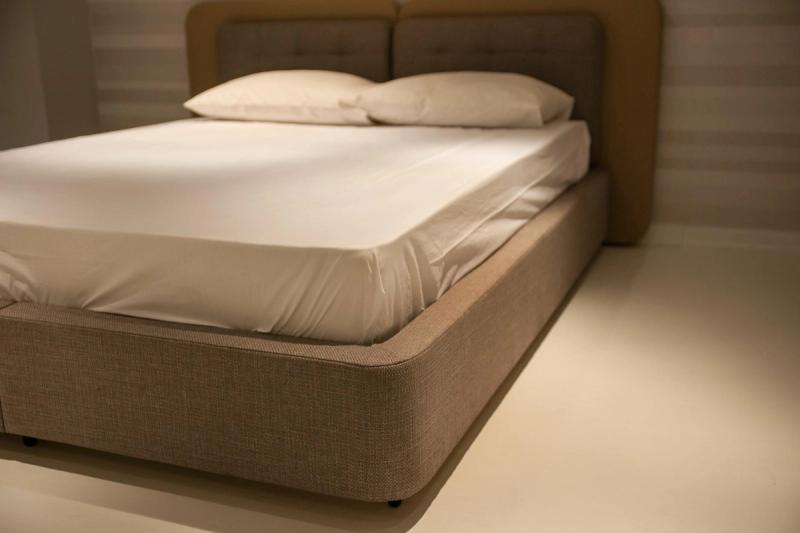
Bed bugs have their own rules under Civil Code 1954.600 to 1954.605. A landlord may not show or rent a unit they know is infested, must give new tenants written bed bug information, and must notify tenants of a pest control operator's findings within two business days. Tenants must cooperate with the pest control operator's inspection and supply the information it needs; the preparation steps come from the operator's checklist, and suspected bed bugs should be reported in writing.
When a landlord does not act, tenants inside the City of Los Angeles can file a habitability complaint with the Los Angeles Housing Department; elsewhere in the county the complaint goes to the city's code enforcement office or, in unincorporated communities, to the county Department of Public Health. Documentation matters either way: dated photos, written requests and the service reports from any treatment.
Common questions
Who writes the articles?
PesPro's licensed technicians and office team, drawing on the jobs they run across both counties. Technical claims are checked against UC IPM and LA County Department of Public Health sources before publication.
Are the guides specific to Los Angeles?
Yes. Climate, housing stock and local regulation shape what works here, so the examples, seasons and compliance notes are written for Los Angeles County and San Bernardino County.
Can I use a guide to treat the problem myself?
For many ant, spider and occasional-pest situations, yes, and the guide will say so. For bed bugs, rodents inside the structure and cockroaches in multi-unit buildings, the guides explain why do-it-yourself attempts usually spread the problem and what a professional does differently.
Do you cover property-manager compliance?
Yes. Guides cover California habitability law, LA County Department of Public Health inspections, documentation for boards and tenants, and how to coordinate treatment across units.
What if the blog does not answer my question?
Call (323) 472-5329 or use the contact form. The quote is free, and the technician will answer the question in person, in English or Spanish, with the property in front of them.