San Bernardino County restaurants shut down by health inspectors, Aug. 6-13
A restaurant on Schaefer Avenue in Chino was closed August 6, 2026 for a cockroach infestation and reopened August 7.
Read the original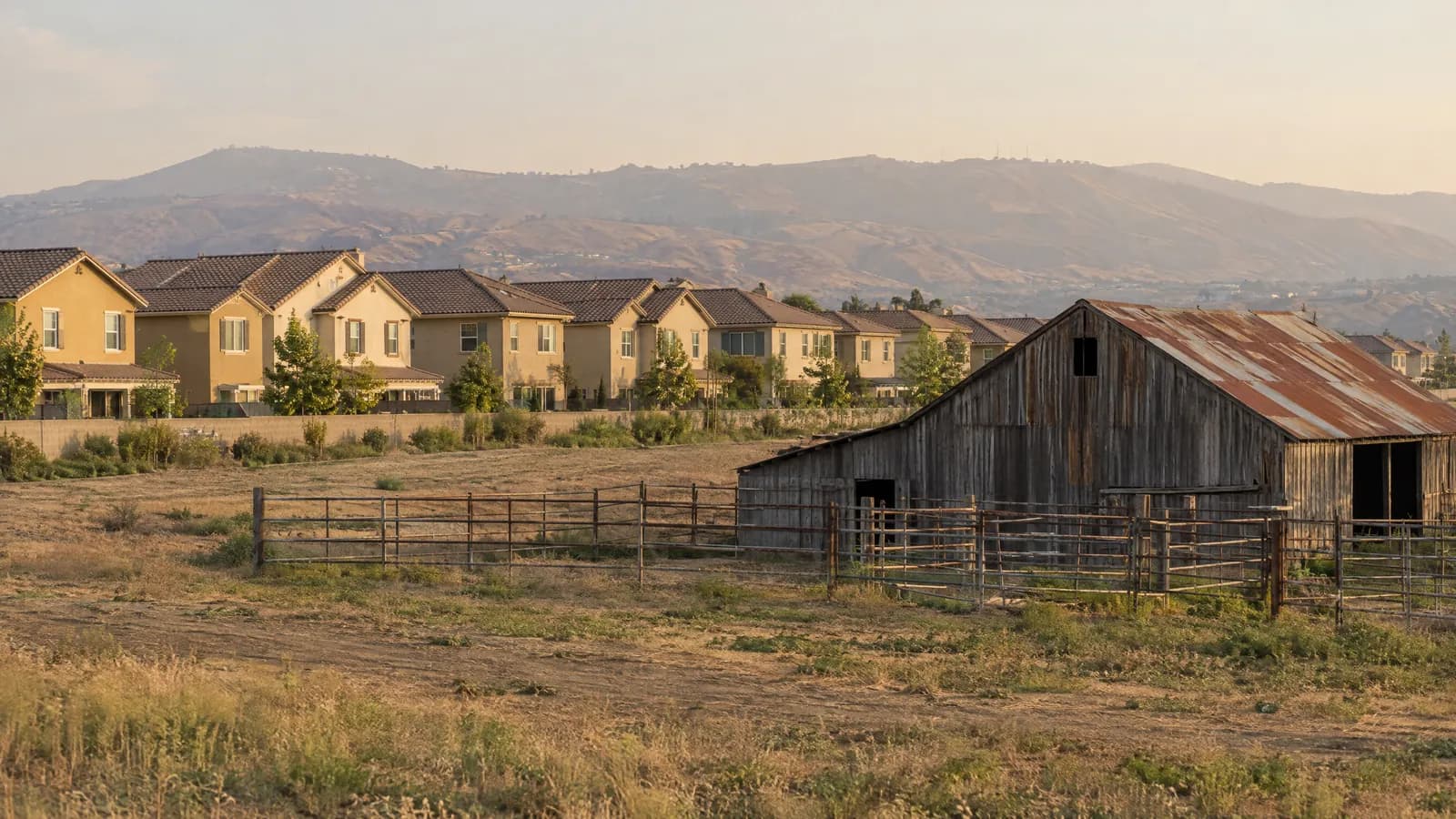
Chino spent the second half of the 20th century as dairy country, and the city still carries that history. About 10,600 of its homes went up before 1980. The willow and cottonwood bottoms of the Prado Basin line its southern edge, and since 2000 new neighborhoods such as The Preserve have replaced pasture and barns. Each setting draws different pests, from Norway rats around feed and outbuildings to German cockroaches in apartment kitchens. PesPro serves Chino from one office at 12207 Chosen St in El Monte, about 22 miles west.
Free quote and a written plan before any treatment
Neighborhoods and landmarks we cover: The Preserve and Pine Avenue (ZIP 91708), Central Avenue, Philadelphia Street and Riverside Drive, Schaefer Avenue and Grand Avenue, streets around Chino Airport and Merrill Avenue, Sixth Street in the older city center, blocks bordering Prado Regional Park.
The Chino Valley became a dairy center in the late 1950s, when farmers, many of Dutch or Portuguese descent, moved east as southeast Los Angeles County filled with houses. The county formed an agricultural preserve here in 1968 under the Williamson Act. At its peak it covered about 17,000 acres with just under 400 dairies and roughly 400,000 cows, according to the San Bernardino County Sentinel.
Development pressure took over from the mid-1980s. By 1999 about 140 dairies remained, Ontario annexed roughly 8,200 of the leftover acres and Chino claimed about 7,000. The Sentinel counted 70 dairies in 2005 and about 60 across the whole valley in 2015.
The Preserve is the largest of those projects. Its 2003 environmental impact report covered a 5,435-acre planning area, about 85% of it then in agriculture and dairy use, with room for up to 9,779 homes. The state's CEQA record for the first two phases, near Pine and Hellman avenues, lists the land in use at the time as dairy and agricultural preserve. [4] [5] [6]
That same report named flies, odor, dust, wandering pets and trespass as the usual friction between working farms and new neighbors. The West Valley district's fly guidance points the same way. House flies and blow flies breed in animal waste and garbage, and the main fix is sanitation: pick up droppings daily and keep bin lids tight.
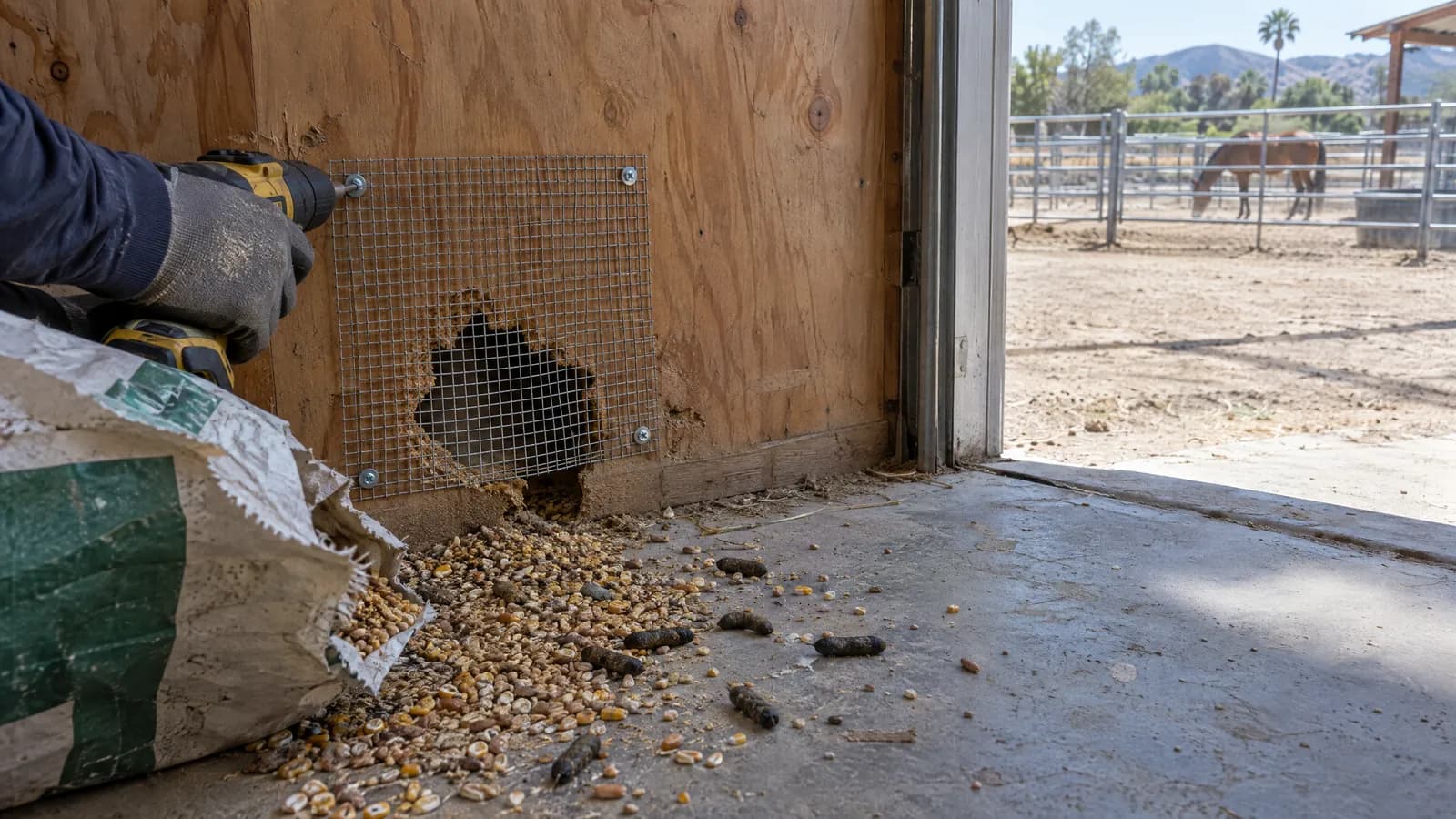
Feed and old outbuildings matter for rodents too. UC IPM calls the Norway rat the barn rat: it burrows along foundations, under woodpiles and around fields, favors grain and fouls stored animal feed. The same program says oriental cockroaches gather where people feed pets, livestock or wildlife. Homes beside pasture, corrals or feed storage are likely to see more of both.
PesPro does not run livestock fly programs. Around homes, garages and outbuildings we handle rodents, cockroaches, ants, spiders and other household pests. We also point out the feed, trash or manure that keeps drawing them back. [5] [12] [10] [33] [34]
Census estimates put Chino's median home at 1987, but the city really has two housing stocks. About 10,800 homes date from 2000 or later, while about 10,600 were built before 1980 and some 2,400 before 1960. In ZIP code 91708, which lies entirely inside the city and includes The Preserve, 90% of homes were built in 2000 or later and the median is 2011.
ZIP code 91710, which covers about two-thirds of Chino's land, has a median build year of 1981, about 2,900 homes from before 1960 and some 410 mobile homes. On those blocks we expect the openings that age creates: worn garage-door seals, loose roof and foundation vents, and pipe holes under sinks. The new tracts have fewer gaps, yet fields still being graded nearby can send rodents looking for shelter.
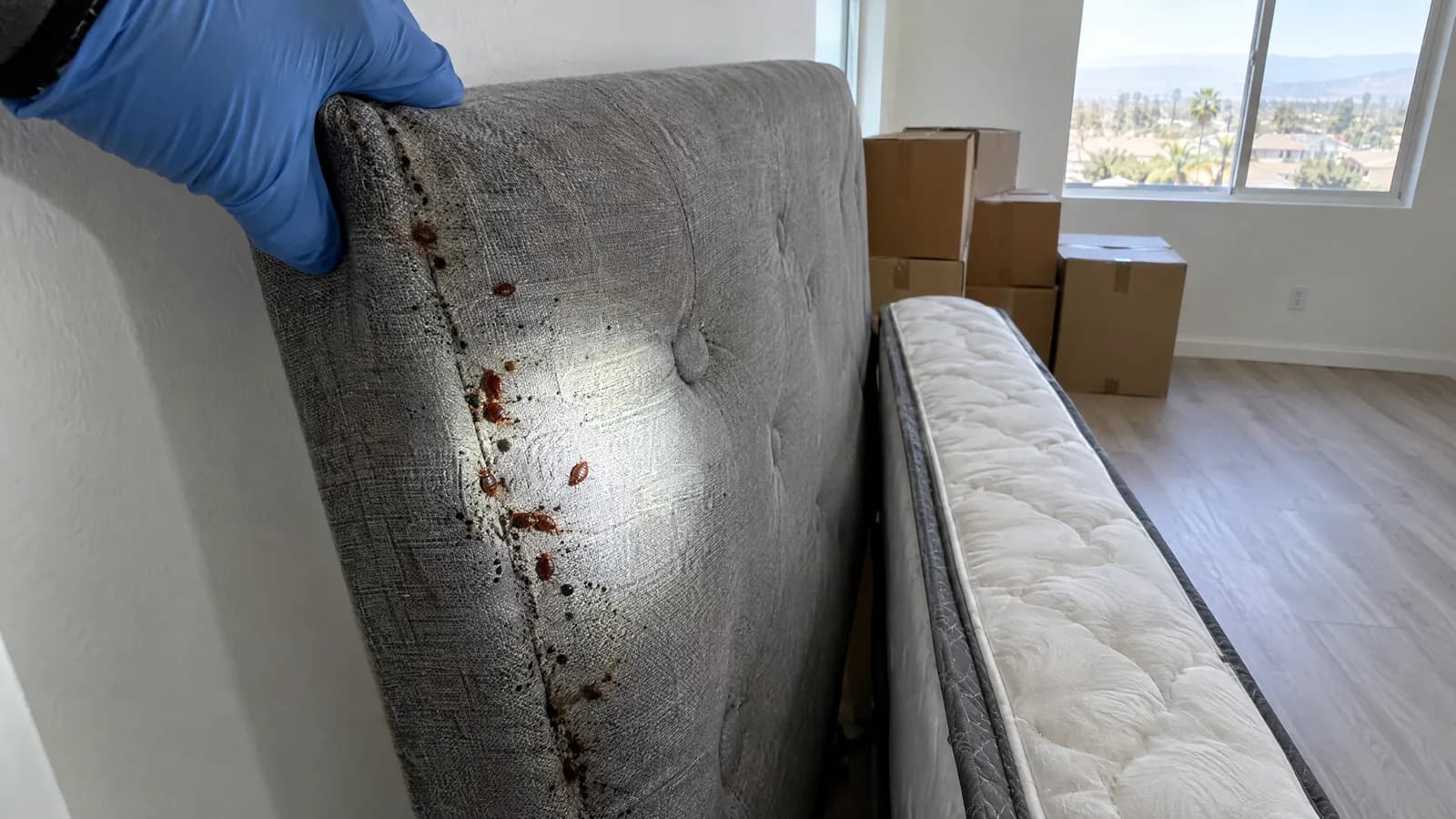
Renting is common in both halves. Citywide, about 9,800 households rent, roughly 4,100 homes sit in buildings of five or more units and close to 2,000 are in complexes of 50 or more. In 91708, 52% of households rent. Shared walls and plumbing runs are how German cockroaches and bed bugs move from one unit to the next. [1] [2] [3]
South of the city's newest streets lies the Prado Basin. Prado Dam, finished in 1941, holds back the Santa Ana River there. The Army Corps of Engineers describes a reservoir area of more than 11,500 acres, about 4,100 of them riparian habitat. Cottonwood and willow forest dominates, and the basin works as a wildlife corridor to and from the Chino Hills.
San Bernardino County runs Prado Regional Park in Chino on land it leases at the dam. The park opened on July 2, 1976 and now has camping, fishing, a golf course, a shooting range and an equestrian center.
UC IPM lists vegetation along riverbanks and streams among the places roof rats live. Homes nearest the basin and the park are likely to see them arrive along fences and utility lines. Standing water there is the vector control district's territory, not ours. We do not trap or remove coyotes, skunks or other wild animals; the district refers those to animal control or the state Department of Fish and Wildlife. [18] [19] [33] [13]
Chino belongs to the West Valley Mosquito and Vector Control District, founded in 1983 and based at 1295 E. Locust St. in Ontario. It serves more than 650,000 people in Chino, Chino Hills, Montclair, Ontario, Rancho Cucamonga, Upland and nearby county areas. In its 2025 weekly updates, West Nile-positive samples turned up in Ontario in late August and in Chino in mid-September.
This season has been quieter so far: the district's August 2026 newsletter counted 12 positive samples across its whole territory. The California Department of Public Health lists Aedes aegypti, a day-biting invasive mosquito, as present in Chino and Aedes albopictus as not found. In May 2026 the district added that Aedes notoscriptus, an Australian species, had started turning up in its traps.
In spring 2024 the Daily Bulletin reported weekly releases of sterile male Aedes aegypti in Chino and five other district cities. The district says Aedes numbers at treated sites fell 63% in 2024 and 82% in 2025 compared with 2023. It stopped removing bees in December 2024. PesPro does not provide mosquito control; report mosquito problems to the district at 909-635-0307 or wvmvcd.org. [7] [8] [9] [17] [11] [16] [10] [15]
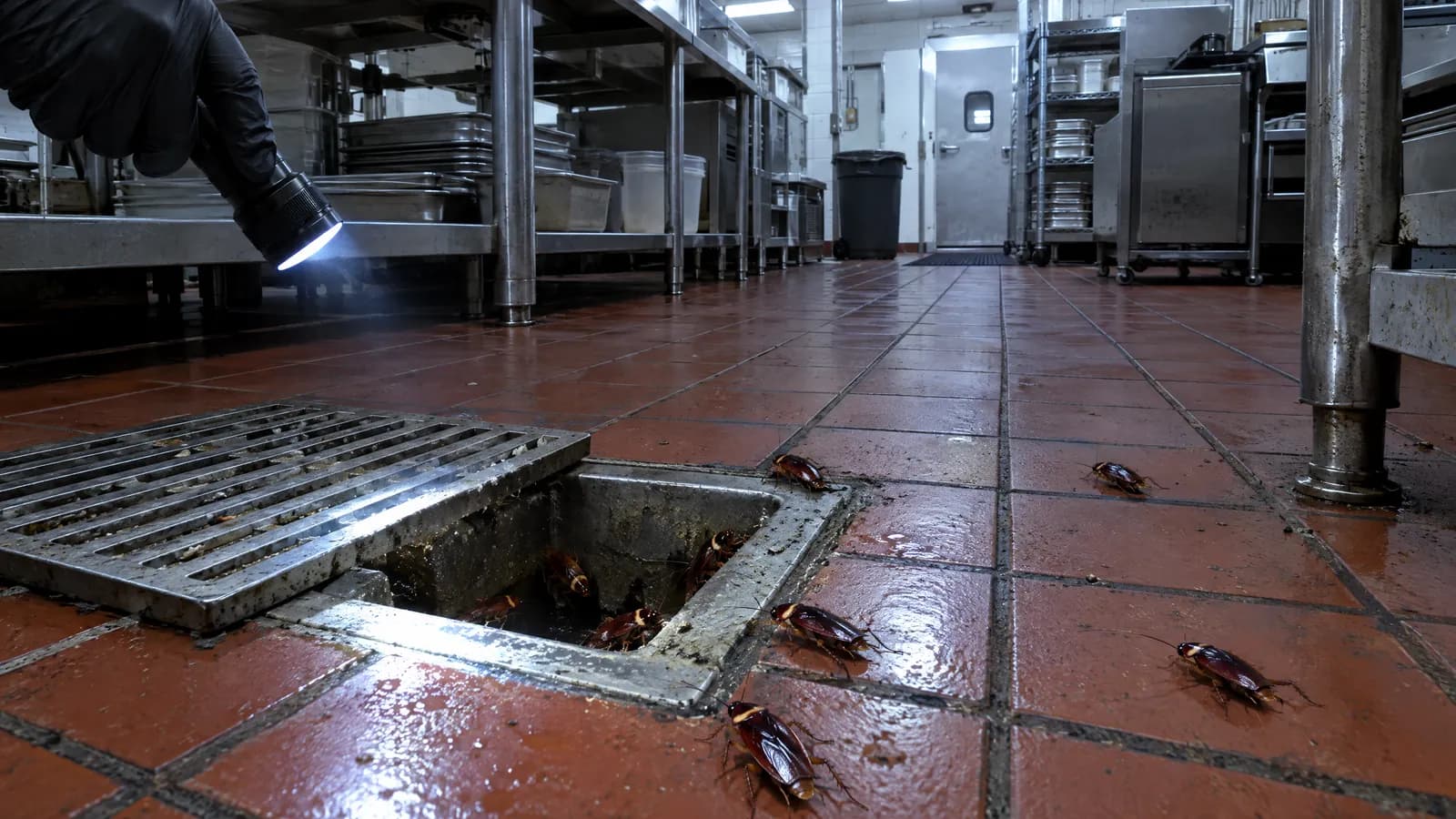
San Bernardino County Environmental Health Services inspects Chino's restaurants and markets. Each inspection starts at 100 points and ends with an A, B or C card in the window. A cockroach or rodent infestation, though, counts as an immediate danger and shuts the business whatever the score.
Weekly lists in The Sun and the Inland Valley Daily Bulletin show how that plays out. A restaurant on Riverside Drive was closed for cockroaches on November 4, 2025 and reopened November 18. One on Philadelphia Street followed on February 4, 2026, and one on Schaefer Avenue was closed August 6, 2026 and reopened the next day. In October 2023 a market on Sixth Street spent six days closed for rodents.
For Chino food businesses we visit before opening or after closing, use products labeled for food-handling areas and leave a written log after each visit. [20] [24] [28] [29] [30] [31] [25]
| Pest | Peak season | What to watch for locally |
|---|---|---|
| Norway rats & house mice | Year-round; more indoor activity in fall and winter | Foundations, woodpiles, pet food and feed storage near pasture or older outbuildings |
| Roof rats | Year-round | Mature trees and the willow bottoms of the Prado Basin, traveling on fences and utility lines |
| German cockroaches | Year-round | Apartment kitchens and restaurant back rooms |
| American & oriental cockroaches | Warm months; oriental in cool, damp spots | Floor drains and sewer lines; oriental near outdoor pet or livestock feeding areas |
| Flies (sanitation context) | Warm months | Breed in manure and garbage; the district stresses daily waste pickup and tight lids |
| Mosquitoes (awareness only) | Summer into fall | Positives in Chino in mid-September 2025; report problems to the West Valley district |
| Bees & wasps | Spring and summer | District bee removal ended in December 2024; ask us about nests or live relocation |
Public-health notices, vector-control alerts and local news we track for this area. Summaries are ours; follow each link for the original report.
A restaurant on Schaefer Avenue in Chino was closed August 6, 2026 for a cockroach infestation and reopened August 7.
Read the originalA restaurant on Philadelphia Street in Chino was closed February 4, 2026 for a cockroach infestation.
Read the originalCounty inspectors closed a restaurant on Riverside Drive in Chino on November 4, 2025 because of a cockroach infestation.
Read the originalThe district's weekly update reported West Nile-positive mosquito samples in Chino; its other 2025 weekly posts from late May to early November reported positives only once more, in Ontario in late August.
Read the originalThe state table lists Aedes aegypti as present in Chino and Aedes albopictus as not found.
Read the originalCounty data list: a meat market on Sixth Street in Chino was closed October 4, 2023 for a rodent infestation and reopened October 10.
Read the originalNo. Our only office is at 12207 Chosen St in El Monte, about 22 miles west, and technicians drive out from there. We serve houses, apartment communities and businesses across Chino, from the central blocks to The Preserve. Give us your street address and we will confirm it is on our route.
No. Flies that breed in manure or garbage on another property are a sanitation matter for that property, and PesPro does not offer livestock fly programs. The West Valley district advises picking up animal waste daily and keeping trash lids tight. At your home, our work is rodents, cockroaches, bed bugs, ants, spiders and similar household pests.
The West Valley Mosquito and Vector Control District, at 909-635-0307 or wvmvcd.org. It traps and tests mosquitoes weekly, checks neglected pools and hands out mosquitofish. PesPro does not offer mosquito control, but we point out standing water we see.
Newer construction narrows the gaps but does not seal a house off. Garage doors, the bottom edge of stucco walls, irrigation lines and utility entries all leave small openings, and graded fields nearby can push mice and rats toward the nearest shelter. German cockroaches and bed bugs ride in with boxes, furniture and luggage however new the walls are.
No. The West Valley district ended non-structural bee removal in December 2024 and now refers residents to beekeeper and bee-rescue groups. PesPro removes wasp, hornet and yellow jacket nests, and relocates live honey bees when that is feasible.
Every PesPro technician speaks English and Spanish, so inspection results, quotes and prep steps can be covered in either language. About 26,400 Chino residents speak Spanish at home and 6,700 speak Chinese. Our website also reads in Chinese, Korean, Tagalog and Vietnamese, but service in person and by phone is in English or Spanish only.
It depends on the pest, the size and age of the building, how far the problem has spread and how much sealing is needed. A technician looks over the property first, and you receive a free written quote before any product is applied.
24/7 Emergency response available throughout Los Angeles County and San Bernardino County
Same-day service available for an extra fee • Licensed & Insured • QualityPro Certified